The post Project-Based Meets Proficiency-Based Learning appeared first on Fearless Teachers.
]]>Introducing the project
When I introduced this project, I focused on the driving question but also directed attention to the goals of each of the four parts of the project. Each of these sections was designed to allow students to drive the direction of the project whole still teaching mini-lessons on various topics. I was careful and deliberate in designing a learning scale that allowed students to have complete control over their project. One characteristic was that the scale focused on skills and content that were specific to entrepreneurship but not specific to the project. While students were expected to articulate the problem they were solving, the problem was 100% up to them. For all the pieces of content they learned, the lens through which they learned it was up to them.
The learning scale as a map
I found myself constantly referring students back to the learning scale in order to identify their next steps. The learning scale needed to be designed in a way that helped learners know where they were and understand exactly what they needed to know or do to move forward. I also provided several different scaffolds to help learners track their progress. For example, during the second unit, I provided a template that showed each of the elements to be learned and questions to help propel them forward. As they filled in the information, they gained an understanding of each element and were able to see how that moved them along on the learning scale.
Targets strategically addressed as they come up
I pulled daily targets out of the learning scale when it appeared learners were in need of the information. As I noticed that students needed information about certain things, I provided instruction on those items either as a whole group or in small groups. I think this is how most targets get addressed in project-based learning.
Reflection
In a truly proficiency-based system, the use of a body of evidence for assessment is ideal. We are currently back to a system that requires numbers but I did my best to stay true to proficiency-based assessment using evidence and reflection. I gave written feedback throughout each part of this project-based experience and nobody complained about not seeing a score until the very end. In order to assess learners, I simply used the evidence that they had created as they developed their ideas and provided them opportunities to reflect on their progress. The documents combined with the reflection compared to each learning scale served as the assessment process. I experimented with digital interactive notebooks as a way of providing feedback, keeping track of progress, and student reflection.
Overall, this project-based learning experience worked in concert with the proficiency-based learning goals. In fact, the learning scale helped to focus the learning perfectly while still allowing students to drive and personalize their learning. I wonder how others are mixing project-based and proficiency-based (competency-based) learning? Tweet @fearlessteachrs #pbls (like, more than one PBL acronym) if you are playing with these two ideas and have something to share.
The post Project-Based Meets Proficiency-Based Learning appeared first on Fearless Teachers.
]]>The post Four strategies for increasing student engagement appeared first on Fearless Teachers.
]]>Games
Many times, I hear teachers say that there are just some things that are boring and have to be learned. Well, I always wonder if those skills or information are truly necessary but that is another conversation. If we feel it is necessary and boring, maybe there is a way to make it more palatable by creating a game. Using common items like a deck of cards, a set of dice, or some index cards can help create a simple game. Matching, sorting, and competition are simple ways to dress an activity up. If you have more time, making a longer, more comprehensive game can be fun; obviously more time consuming. I’m in the midst of developing a complicated financial literacy game that will last an entire year and span ten years in pretend life time.
Scavenger Hunt
A scavenger hunt can make a tedious task more game like. This is an easy strategy for research of any kind. In addition, if students are actually physically gathering things, it can get them up and moving around. Even if students can’t be wandering around the building, setting up a scavenger hunt right in the classroom is very doable. The math teacher across the hall from me frequently sets up a math scavenger hunt/ game where students solve one problem at a location and then find that answer somewhere else in the room (or hallway right outside her classroom) where the next problem is located.
Could it be more social?
Is there a way an independent task could be more social? Is there a way partners or small groups could work on this skill together? Sometimes creating a social outlet can have the same effect as recess. Even a simple sharing of ideas with a partner can break up a lecture. If you dread group work, this may not be a viable option but you can read more about teaching these skills here.
Project-Based Learning
Project-based learning is not poster making but rather authentic tasks that engage kids in solving real problems, answering real questions, and presenting their ideas to real audiences. It does require some risk-taking on the teacher’s end but if you are open to seeing where things might go, it can be a good option for the end of the year. The dynamics of groups is clear by the end of the year. Many times, the expectations have become routine. While project-based learning requires a lot of learner self-direction, the end of the year can be a time when students have developed these skills. PBLWorks is a great resource for learning about project-based learning and there are some useful videos on the site as well.
What other ways are people using to liven things up when the usual lessons start to get tired? @fearlessteachrs #thistimeofyear
The post Four strategies for increasing student engagement appeared first on Fearless Teachers.
]]>The post Back off, chill out, and let kids figure it out appeared first on Fearless Teachers.
]]>During the last day of class before Thanksgiving break, I handed out written feedback to my Entrepreneurship 1 students. The feedback specifically identified next steps based on a reflection they had written. I watched as several discussed their formal dance plans for the coming Friday. One played a game on his phone. Two other students were finishing up an essay for English class. One was working on coding for his app project and one was designing a pair of shoes related to his entrepreneurship project. I resisted the temptation to reprimand those students who were not working on their Entrepreneurship projects. I reflected on my own ability to procrastinate or be unproductive at times. I considered the fact that despite the ability to work on something personally relevant in this class, many students had trouble finding something that was really meaningful for them. I reflected that the coming dance or essay due in English was probably what they found relevant right now. I know that many times I think about work-related issues or problems during a morning commute or in the evening while I make dinner; On the weekends, I frequently find myself researching something for work. And many times when I am at school (Friday afternoon, for example), I can’t focus on those very same things. If the principal came in and told me to get back to work while I was taking a tea or bathroom break, would that make me more productive? Maybe a sarcastic comment about my work habits would get me back on track? Maybe not. Yet, I (and most of us) do this all the time to kids. We are under the time crunch of getting things done. But that is our agenda.
Chill out…
Over the past few years and most recently while teaching a course on Proficiency-based assessment, I have had the following conversation with teachers. They tell me they have content to cover and if they don’t move at a certain pace, it won’t get covered. In addition, if kids don’t do their work when it is assigned, they won’t learn the content in time for a grade or test. And then I ask what I am sure is an annoying question. What if they don’t learn it? What will happen ten years from now if a student doesn’t write that essay, read that book, or learn about plate tectonics? What then? If they do learn it in your class, are we sure their lives are better?
Let kids figure it out…
When I thought about this question myself the other day, I was relieved and certain that all of my students would be alright. I looked around and saw that every kid there had something to offer the world, already. Knowing the elements of business isn’t going to make or break them. The lessons that will make or break them are about skills like overcoming obstacles; being able to approach novel ideas with confidence; being able to search for needed information and know what is good and what isn’t; being able to ask for help or find people to collaborate with when they don’t have all the skills needed to accomplish something. Lori Lisai recently wrote about a visit to a program that allows learners to simply get over these procrastination or unproductivity humps themselves. In her post, she writes, “How many times do your kids pester you for answers and you finally give in and tell them just because it’s easier or you don’t want to listen to them whine any more? (Okay, maybe it’s just me.) But that’s not happening at NuVu. Students are figuring shit out”.
Why it’s so hard and what to do…
So what is so hard about this? Most people agree that these are the most important skills, in theory. Most teachers will tell you they are teaching kids how to collaborate or use other transferable skills through their lessons activities so why do they focus so much on work completion, content, and grades? Ultimately, our system is set up as a content delivery machine and sorting mechanism. So unless teachers consciously, every day, every minute (really) remind themselves that it is not their job to deliver content and approach their job in a different way, it’s virtually impossible to stop doing. Even me, not a content teacher, not attached to this system in the slightest, has had to resist urges and I frequently don’t resist those urges or at the very least lose that battle. In addition, our teacher professional learning system further ingrains this tendency. Teachers need a whole new set of skills to teach in a system that doesn’t value content acquisition.
So when you are frustrated with a kid who is not working on what you want them to work on, ask yourself, “how will their life be different in ten years if they don’t do this right now?” Once you realize that nothing major will occur, ask, “what do they need right now?” and “how can I help them have the energy to learn what I think is important?” or “what can they learn from this experience right now if it isn’t content?”
A few years back on a trip to some schools in Finland, one of the teachers said, “when a kid doesn’t learn to read right away, we trust that it will happen”. I felt a weight lifted when she said that. How must her students feel? We know kids don’t learn when they are stressed out or worried about something. Brain research is very clear. So, maybe if we just chill out a bit and let kids “figure shit out”, they will, in fact, learn more efficiently in the long run. When kids fail after they leave school, it is never because they got a D in your class. Never.
The post Back off, chill out, and let kids figure it out appeared first on Fearless Teachers.
]]>The post #SpotlightOn #Schools That Don’t Suck appeared first on Fearless Teachers.
]]> Last year, I read Chip and Dan Heath’s book Switch and in chapter 2 they discuss the idea of using “bright spots” to make sustainable change occur. This also reminded me of a strengths based approach to change where the focus is to build on strengths in order to effect change. As I visited schools this year, these ideas kept coming up in my mind. Much of what I saw was not terribly remarkable. That is not to say that these schools weren’t doing amazing things and having an amazing impact but just that they were doing things that any school could do. In addition, they were doing many things that we were already doing, especially here in Vermont. Because many of the elements of excellent teaching are not particularly remarkable, people may not consider them “bright spots” when in fact they are. The Heath brothers identified one example of a small village where just adding sweet potato greens and shrimp, which were already available, increased the healthy diet of a child. When they found a way to increase the number of people adding these ingredients to meals, there was massive change. They argue that one strategy to making change is finding these small “bright spots” and replicating them.
Through my school visits, it became clear that there were many “bright spots” in education, despite much of the discourse, and the world doesn’t know about them because teachers and principals are too humble to even know what they are doing is amazing enough to share. These “bright spots” don’t need to be that bright. If we put a #SpotlightOn them, they will become replicable and then they become “bright spots” where real change is happening.
There are two really important reasons why we need to start shedding some light on these places where even small innovations are taking place. First of all, we have to change the story that is out there about American education. Sure, it’s not perfect and we have a lot of work to do but there are more caring, innovative teachers out there than there are teachers who aren’t trying. Many of these teachers are doing their work under horrific conditions and/ or mandates and still making a difference for kids. If we shine a #SpotlightOn student experiences in these classrooms, the narrative can begin changing.
The second reason to share innovative actions is so that we can all learn and replicate practices in our classrooms and schools. I had the opportunity to visit many schools this year through a fellowship but most teachers don’t have access to this. Traditional inservice, as I have said many times before, is not sufficient professional learning in a world that is changing so rapidly. This makes it extra important that we are bringing these ideas together in one place where everyone can find them.
These “bright spots” don’t need to be incredible innovations. Share an activity that was engaging to kids; a practice that increased achievement; a school system or structure that helped change the culture of learning. Don’t be afraid to share even small events or strategies that have helped your learning community grow in some small way or just something you did in your school or classroom that made kids smile. Many people are already sharing these events but because they are not shared in one place, they can not be easily discovered.
 So, here is my challenge…every week, share one small thing you are doing that is helping kids be more motivated or engaged in school on Twitter using the hashtag #SpotlightOn followed by your school hashtag. Share a video, a photo, a lesson plan, a blog post, student work, a podcast episode or any other form you can find. Get kids involved as well. How could you work this into a lesson? Could kids reflect in some way and share it? Be creative and don’t be humble. Share it all. I look forward to seeing what everyone is doing.
Please check your school’s media release policy before posting anything on Twitter.
The post #SpotlightOn #Schools That Don’t Suck appeared first on Fearless Teachers.
]]>The post Classroom Innovation Off the Beaten Path appeared first on Fearless Teachers.
]]>
It’s hard not to know what you know but sometimes your expertise and knowledge can obscure innovation that could transform your classroom and school. We have been doing classrooms and schools the same way for a long time. As humans, we are drawn to routine and school cultures give us that. We are more likely to walk along a path that has been worn than to create anew path. Most of us experienced a traditional education for a very long time and that path is well worn. Even though it may seem counter-intuitive, adding the much craved structure and routine to our lives can increase our ability to embrace novel ideas. Because structure and routine gives us comfort, sometimes that is just what we need in order to be creative and innovative in our classrooms. We all exhibit resistance to change. I feel it every time I consider doing things differently. As I work with teachers who exhibit this very human and normal reaction to novelty, It has been useful to identify the strategies I use to combat my own resistance.
I Kick My Own But’s
When I hear myself thinking that I can’t imagine what something would look like in my classroom, with my kids or in a particular subject, I remind myself that it has probably been done under all those conditions. I challenge my thoughts by asking myself “what could it look like in my classroom? With my kids? In a particular subject?”. I pretend there is no other option. I ask myself other probing questions that require me to think outside of what I know. What if there were no math tests? What if there were no five paragraph essays? I push my thinking and record my ideas.
I Imagine
Sometimes I use my imagination to get off the beaten path in my head. I imagine the classroom is somewhere totally different; a fire station, a museum, a water park. I imagine teaching a lesson in one of those places and see what new ideas come up for delivering lessons. If that’s too crazy, I might try simply changing the classroom environment; I imagine there are no chairs or desks in my classroom. What would instruction look like? Imagine there are carpets or no carpets. No lighting? This past summer I took a class and we held our morning discussion outside by a fountain. The water was so loud that we couldn’t really hear each other. At the end of the discussion we walked back to class the long way with a focus question to discuss. Just changing the location and not the method of instruction really didn’t work but when the instruction changed based on the environment, it was very effective. It is easy to change the environment in your head but fall back to the same instructional path. The key to this strategy is to imagine how the instruction would look different.
I Video
Discomfort is a sure sign of learning. Documenting your own teaching practice through video is probably one of the most unappealing tasks. Nobody likes to hear their recorded voice. Everyone fears the embarrassment they will feel as they watch themselves presenting new information. This discomfort is equivalent to the realizations that are made and the learning that takes place once the videos are reviewed. I once counted myself saying “um” 26 times while giving instructions. It is most useful when I choose something specific that I want to improve or something new I want to try. I have done many online lectures through video and documenting just 10 or 15 minutes rather than an entire lesson can be just as useful and is somewhat less threatening. Documenting students might be another safe option. Viewing student responses to instruction can be just as enlightening as viewing the instruction itself. Check out The Teaching Channel for some help with this.
I Pretend I am someone else
Sometimes, especially on a particularly rough day, I find myself imagining that I am a parent walking into the room. What would someone think about my classroom from that perspective? How would a student feel at a particular moment during my teaching? What would my principal or superintendent say if they walked in? What if my own child was in the classroom? How would they see the issue or solve the problem?
I Visualize it
When I am having a difficult time envisioning how a new practice might play out in our current system or when an innovative idea seems unattainable, it helps me to visualize it in another way. I try imagining the idea as an image. Making a graphic organizer that connects the idea to other ideas in the
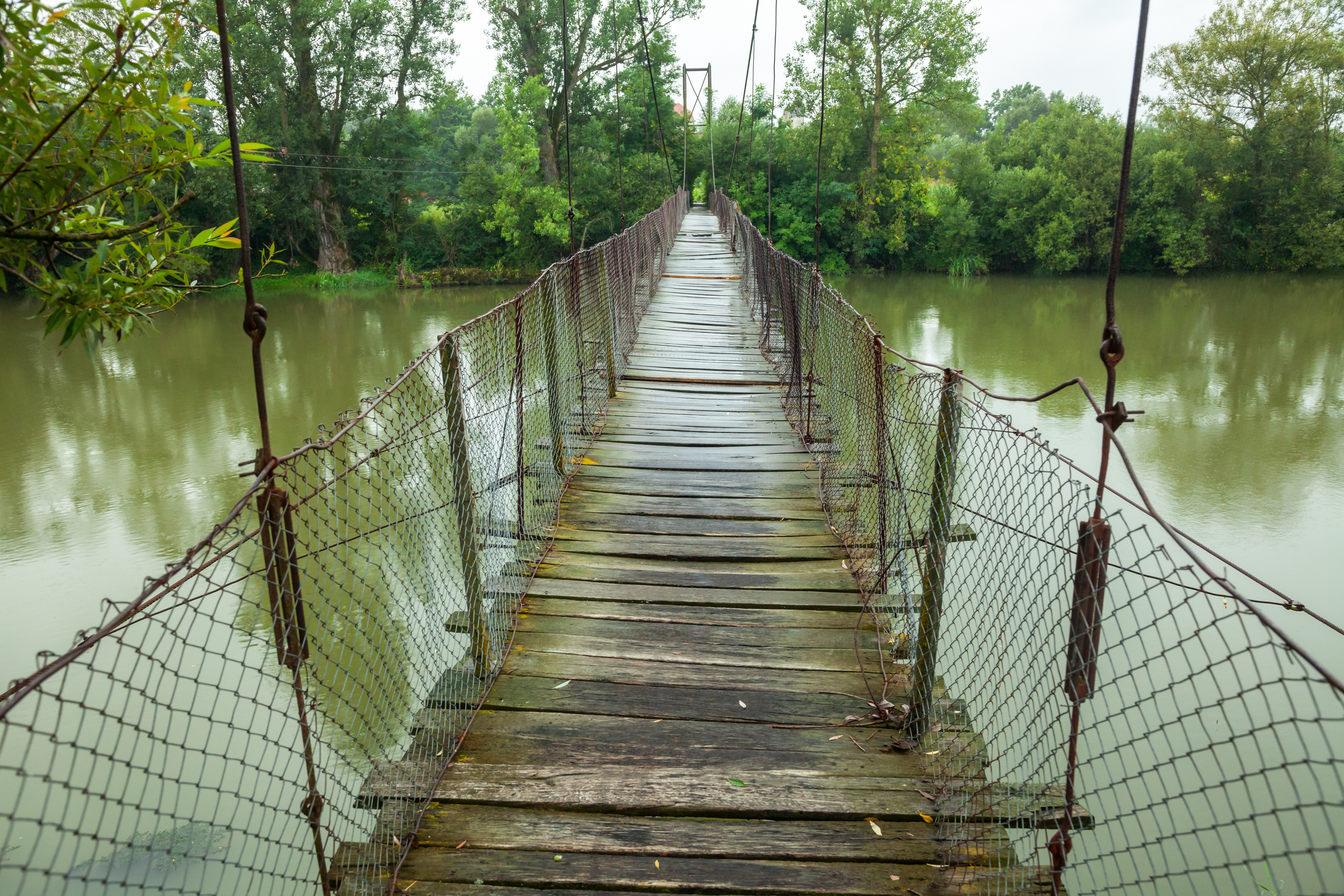
subject or course helps me find similarities between the new idea and existing ideas, creating a bridge to the new idea so to speak. Sometimes creating a visual metaphor for the idea can help build that bridge as well. If you have something that you have put aside because it seems unattainable, comment and we’ll try to wear a #newpath.
The post Classroom Innovation Off the Beaten Path appeared first on Fearless Teachers.
]]>